On July 22, the World Health Organization (WHO) launched its global research priorities on climate, health and migration. Climate change drives migration through many pathways. Migration undertaken by choice can affect health for better or worse, but climate-related displacement—particularly when disasters or conflict force people to flee—poses greater health risks.
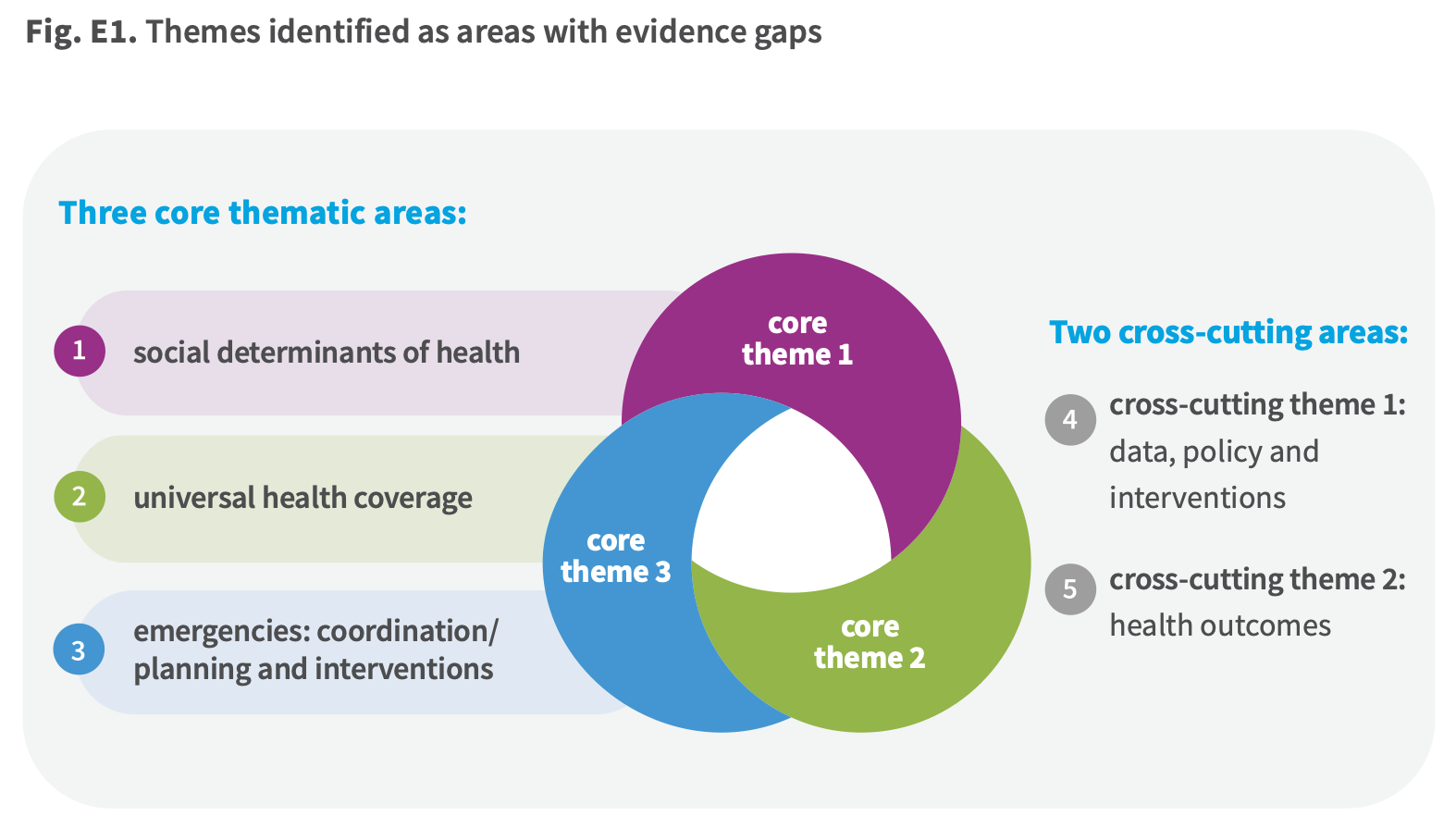
WHO identified several important research areas: the social determinants that shape the risk of disease and injury, including age, gender, race and disability; universal health coverage; and interventions and emergency response during disasters. Cutting across these areas are recurring questions about data collection, response policies and practices, and the definition and standardization of health outcomes.
What particularly caught my attention was the call to break down the silos separating researchers working on climate, health and migration, and to build more integrated collaboration. This is necessary well beyond migration research, yet such work remains uncommon. I think the biggest obstacle is that these fields have little interaction with one another and approach the same problems with different priorities and frameworks.